
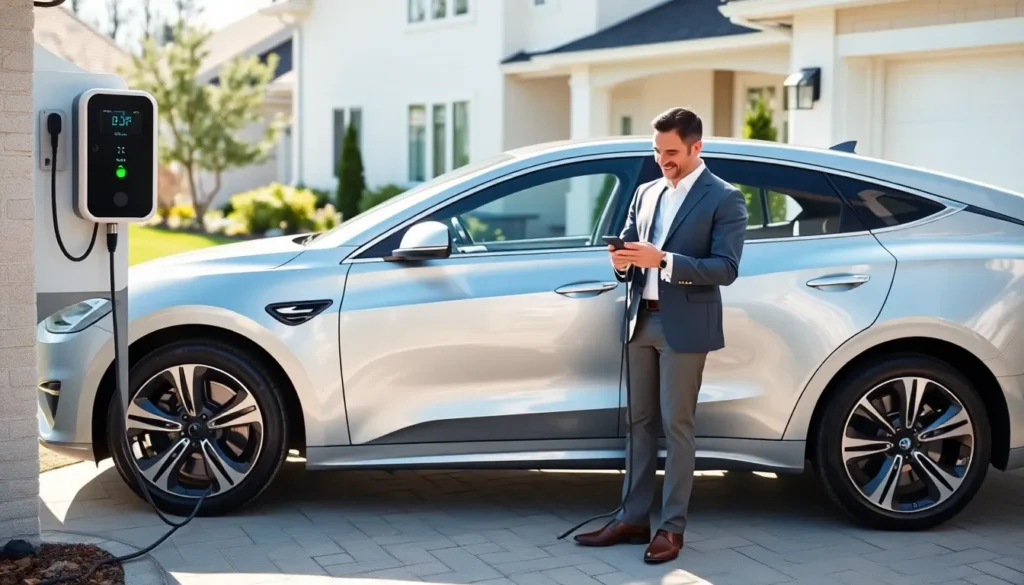
Learning how to electric vehicles work, charge, and stay in top shape has become essential for modern drivers. Electric vehicles (EVs) now represent one of the fastest-growing segments in the automotive industry. In 2024, global EV sales exceeded 17 million units, marking a significant shift in consumer preferences.
This guide covers everything buyers need to know about electric vehicles. From understanding different EV types to selecting the right model, charging effectively, and keeping the vehicle running smoothly, each section delivers practical, actionable advice. Whether someone is considering their first EV purchase or looking to maximize their current vehicle’s performance, this article provides the answers.
Table of Contents
ToggleKey Takeaways
- Electric vehicles come in three types—BEVs, PHEVs, and HEVs—each suited to different driving habits and infrastructure access.
- Most modern electric vehicles easily handle the average American’s daily commute of under 40 miles on a single charge.
- Level 2 home charging is the most practical option for EV owners, adding 25–30 miles of range per hour and fully charging overnight.
- Keep your EV battery between 20% and 80% charge for daily use to extend its lifespan and maintain long-term performance.
- Electric vehicles require less maintenance than gas cars—no oil changes or spark plugs—but tires wear faster due to extra battery weight.
- Federal tax credits up to $7,500 and state incentives can significantly reduce the cost of purchasing an electric vehicle.
Understanding Electric Vehicle Types
Electric vehicles fall into three main categories. Each type offers distinct advantages depending on driving habits, budget, and infrastructure access.
Battery Electric Vehicles (BEVs)
Battery electric vehicles run entirely on electricity. They have no gasoline engine and produce zero direct emissions. Popular BEV models include the Tesla Model 3, Chevrolet Bolt EV, and Ford Mustang Mach-E. These electric vehicles typically offer ranges between 200 and 350 miles per charge, making them suitable for most daily commutes and weekend trips.
BEVs require access to charging infrastructure, either at home or through public charging stations. They benefit from lower fuel costs and reduced maintenance needs since they lack traditional engine components.
Plug-in Hybrid Electric Vehicles (PHEVs)
Plug-in hybrids combine an electric motor with a gasoline engine. They can travel 20 to 50 miles on electric power alone before the gas engine activates. This setup works well for drivers who want electric vehicle benefits but worry about range limitations.
The Toyota RAV4 Prime and Jeep Wrangler 4xe represent popular PHEV options. These vehicles offer flexibility, short commutes run on electricity while longer trips use gasoline backup.
Hybrid Electric Vehicles (HEVs)
Standard hybrids use both electric motors and gasoline engines but cannot plug in to charge. The battery recharges through regenerative braking and the gas engine. While HEVs improve fuel efficiency, they don’t qualify for the same incentives as plug-in electric vehicles.
Understanding these distinctions helps buyers match electric vehicle types to their specific needs and lifestyle.
How to Choose the Right Electric Vehicle for Your Needs
Selecting an electric vehicle requires evaluating several key factors. The right choice depends on driving patterns, budget, and charging access.
Assess Daily Driving Distance
Most Americans drive fewer than 40 miles per day. Nearly any modern electric vehicle handles this distance easily. But, drivers who regularly travel 100+ miles should prioritize models with larger batteries and longer ranges.
Consider weekly driving patterns, not just daily averages. Someone who commutes 30 miles on weekdays but takes 200-mile weekend trips needs different capabilities than a purely urban driver.
Evaluate Budget and Incentives
Electric vehicle prices have dropped significantly. Entry-level models like the Nissan Leaf start around $28,000, while premium options exceed $80,000. Federal tax credits of up to $7,500 can reduce costs substantially, though eligibility varies by manufacturer and model.
State and local incentives often add further savings. Some regions offer rebates, reduced registration fees, or HOV lane access for electric vehicle owners.
Consider Charging Infrastructure
Home charging capability makes electric vehicle ownership much more convenient. Drivers with garages or dedicated parking spots can install Level 2 chargers for overnight charging. Apartment dwellers should research workplace charging options and nearby public stations.
The charging network continues expanding rapidly. Apps like PlugShare help locate stations, and many electric vehicles include built-in navigation to charging points.
Test Drive Multiple Models
Electric vehicles feel different from gas-powered cars. The instant torque, quiet operation, and regenerative braking take adjustment. Test driving several models reveals personal preferences for acceleration feel, cabin noise, and one-pedal driving options.
How to Charge an Electric Vehicle
Charging an electric vehicle is simpler than many new owners expect. Three charging levels exist, each serving different purposes.
Level 1 Charging
Level 1 charging uses a standard 120-volt household outlet. Every electric vehicle includes a Level 1 charger. This method adds approximately 3 to 5 miles of range per hour of charging.
Level 1 works for plug-in hybrids and drivers with short daily commutes. But, it’s too slow for most BEV owners who need significant daily range.
Level 2 Charging
Level 2 chargers use 240-volt outlets, the same type powering clothes dryers. They add 25 to 30 miles of range per hour, fully charging most electric vehicles overnight.
Home installation typically costs $500 to $2,000, including the charger and electrical work. Many electric vehicle owners consider Level 2 home charging essential for convenient daily use.
DC Fast Charging
DC fast chargers deliver the quickest charge speeds. They can add 100 to 200 miles of range in 20 to 40 minutes, depending on the electric vehicle and charger capacity.
These stations work best for long-distance travel and emergency top-ups. Frequent DC fast charging can accelerate battery degradation, so most manufacturers recommend limiting its use.
Charging Best Practices
Keeping the battery between 20% and 80% charge extends its lifespan. Many electric vehicles allow owners to set charging limits through their apps. Charging during off-peak electricity hours also reduces costs in regions with time-of-use rates.
Essential Electric Vehicle Maintenance Tips
Electric vehicles require less maintenance than gas-powered cars. No oil changes, spark plug replacements, or transmission fluid swaps. Still, certain components need regular attention.
Battery Care
The battery represents the most valuable component in any electric vehicle. Protecting battery health ensures long-term performance and resale value.
Avoid letting the battery drain completely or charging to 100% for daily use. Extreme temperatures stress batteries, so parking in shaded areas during summer and garages during winter helps preserve capacity. Most electric vehicle batteries retain 80% or more of their original capacity after 100,000 miles when properly maintained.
Tire Maintenance
Electric vehicles weigh more than comparable gas cars due to battery mass. This extra weight accelerates tire wear. Check tire pressure monthly and rotate tires every 5,000 to 7,500 miles.
Many electric vehicle owners choose tires designed specifically for EVs. These tires handle the additional weight and provide lower rolling resistance for improved range.
Brake System Checks
Regenerative braking reduces wear on traditional brake components. Electric vehicle brake pads often last twice as long as those in conventional cars. But, this reduced use can cause brake fluid to absorb moisture over time.
Most manufacturers recommend brake fluid inspection every two years and replacement as needed.
Cooling System Service
Electric vehicles use cooling systems to regulate battery and motor temperatures. Check coolant levels according to the manufacturer’s schedule, typically every 50,000 miles or so.
Software Updates
Modern electric vehicles receive over-the-air software updates. These updates can improve range, add features, and fix issues. Keep the vehicle’s software current for optimal performance.


