
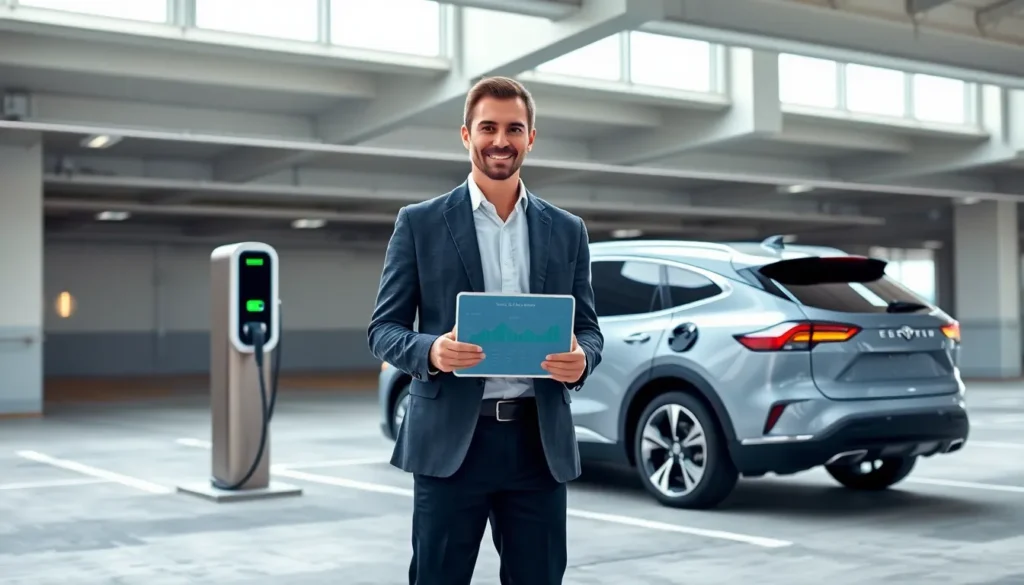
Electric vehicle strategies shape how buyers, fleet managers, and everyday drivers approach the shift to cleaner transportation. The global EV market grew by 35% in 2024, with over 17 million new electric cars sold worldwide. This surge creates both opportunity and confusion for consumers. Which EV fits a specific lifestyle? How can owners reduce charging costs? What incentives actually save money? This guide answers those questions with practical, actionable electric vehicle strategies. Readers will learn how to choose the right car, optimize charging, access financial benefits, and maintain their EV for years of reliable use.
Table of Contents
ToggleKey Takeaways
- Effective electric vehicle strategies should match your daily driving needs—most drivers require only 250+ miles of range to cover a week’s commute on a single charge.
- Home Level 2 charging handles 80% of EV charging needs and costs $500–$2,000 to install, with utility rebates often available.
- Stacking federal, state, and utility incentives can reduce EV ownership costs by $10,000–$20,000 or more.
- EVs cost 30–40% less to maintain than gas vehicles due to fewer moving parts and regenerative braking that extends brake pad life.
- Charging during off-peak hours (typically 11 PM–6 AM) and keeping battery levels between 20–80% preserves battery health and cuts costs by up to 50%.
- Smart electric vehicle strategies treat charging as a planned routine and factor in total cost of ownership—not just sticker price.
Understanding the Current EV Landscape
The electric vehicle market has transformed dramatically over the past five years. In 2024, EVs represented roughly 18% of global new car sales, up from just 4% in 2020. China leads production and adoption, followed by Europe and North America.
Several factors drive this growth. Battery costs dropped by nearly 14% in 2024, making EVs more affordable. Automakers now offer over 500 distinct EV models globally, spanning sedans, SUVs, trucks, and commercial vehicles. Tesla remains a dominant player, but legacy manufacturers like Ford, GM, Hyundai, and BMW have closed the gap with competitive offerings.
Range anxiety, once a major barrier, has diminished. The average new EV now delivers over 270 miles per charge. Some models exceed 400 miles. Charging infrastructure has expanded as well. The U.S. alone added over 10,000 public fast-charging stations in 2024.
But, challenges persist. Charging speeds vary widely between networks. Used EV prices fluctuate unpredictably. And some rural areas still lack adequate charging access. Understanding these dynamics helps buyers develop electric vehicle strategies that match real-world conditions rather than marketing hype.
Key Strategies for Choosing the Right Electric Vehicle
Selecting an EV requires more than comparing sticker prices. Smart buyers evaluate range, charging compatibility, total cost of ownership, and practical features.
Assess Daily Driving Needs
Most Americans drive fewer than 40 miles daily. A vehicle with 250+ miles of range covers weekly commutes with a single charge. Buyers who frequently travel long distances should prioritize models with fast-charging capability and access to reliable networks like Tesla Superchargers or Electrify America.
Compare Total Cost of Ownership
EVs typically cost more upfront but save money over time. Fuel savings average $800-$1,200 annually for typical drivers. Maintenance costs run 30-40% lower than gas vehicles due to fewer moving parts. Insurance rates vary by model, so obtaining quotes before purchase matters.
Evaluate Charging Port Standards
North America is shifting toward NACS (Tesla’s connector standard). Most new EVs from 2025 onward will include NACS ports or adapters. Buyers should confirm their chosen model supports the charging networks available in their area.
Test Drive Multiple Options
EVs differ significantly in acceleration feel, regenerative braking intensity, and cabin noise. A Rivian R1S drives nothing like a Chevrolet Equinox EV. Test drives reveal preferences that spec sheets cannot capture.
These electric vehicle strategies help buyers avoid costly mismatches between their needs and their purchase.
Maximizing Charging Efficiency and Infrastructure
Charging represents the biggest lifestyle adjustment for new EV owners. Strategic approaches reduce costs, save time, and extend battery life.
Home Charging Setup
Home charging handles 80% of charging needs for most owners. A Level 2 charger (240V) adds 25-30 miles of range per hour. Installation costs range from $500-$2,000 depending on electrical panel capacity and garage configuration. Many utilities offer rebates that offset these expenses.
Public Charging Networks
Public chargers serve road trips and apartment dwellers. DC fast chargers can add 100-200 miles in 20-30 minutes. Apps like PlugShare and A Better Route Planner help drivers locate stations and plan efficient routes. Subscription plans from networks like EVgo or ChargePoint often reduce per-session costs.
Timing Matters
Electricity rates vary by time of day in many areas. Charging during off-peak hours (typically 11 PM to 6 AM) can cut costs by 30-50%. Most EVs allow scheduled charging to automate this process.
Battery Health Practices
Frequent fast charging generates heat that degrades batteries faster. Owners who rely primarily on Level 2 home charging preserve battery capacity longer. Keeping charge levels between 20-80% for daily use, rather than constantly charging to 100%, also extends battery lifespan.
Effective electric vehicle strategies treat charging as a planned routine rather than a reactive scramble.
Financial Incentives and Cost-Saving Approaches
Government incentives and smart purchasing decisions significantly reduce EV ownership costs.
Federal Tax Credits
The U.S. federal EV tax credit offers up to $7,500 for qualifying new vehicles. Eligibility depends on final assembly location, battery component sourcing, and buyer income limits. The IRS maintains an updated list of qualifying models. Used EVs purchased from dealers may qualify for a $4,000 credit.
State and Local Incentives
Many states add their own rebates. California offers up to $7,500 through the Clean Vehicle Rebate Project. Colorado provides $5,000 in state tax credits. Some utilities offer additional rebates for home charger installation or EV registration.
Leasing vs. Buying
Leasing transfers tax credit benefits to the dealer, who often passes savings to consumers through reduced payments. This approach works well for buyers who don’t qualify for income-based credits or prefer driving new technology every few years.
Fleet and Business Incentives
Businesses can claim commercial clean vehicle credits up to $40,000 per vehicle. Accelerated depreciation rules apply to EV purchases. Companies adding workplace charging stations may access additional deductions.
Stacking these electric vehicle strategies, federal, state, utility, and purchase structure, can reduce effective costs by $10,000-$20,000 or more.
Long-Term Maintenance and Ownership Tips
EVs require less maintenance than gas vehicles, but they still need regular attention.
Simplified Service Schedules
No oil changes. No transmission fluid. No spark plugs. EV maintenance focuses on tires, brakes, cabin air filters, and coolant. Regenerative braking reduces brake pad wear significantly, some owners go 100,000+ miles before needing replacements.
Battery Warranty Coverage
Federal law requires manufacturers to warranty EV batteries for at least 8 years or 100,000 miles. Many brands offer longer coverage. Buyers should review warranty terms carefully, especially about capacity degradation thresholds.
Software Updates
Most modern EVs receive over-the-air software updates. These updates can improve range estimates, add features, or enhance charging speeds. Owners should keep vehicles connected to Wi-Fi and accept updates promptly.
Tire Considerations
EVs weigh more than comparable gas vehicles due to battery mass. They also deliver instant torque that accelerates tire wear. EV-specific tires optimize efficiency and durability. Rotating tires every 5,000-7,500 miles extends their lifespan.
Resale Value Planning
EV resale values vary more than gas vehicles currently. Popular models from Tesla, Rivian, and Hyundai hold value better. Maintaining complete service records and avoiding excessive fast charging supports stronger resale prices.
These electric vehicle strategies protect owners’ investments over the full ownership period.


