
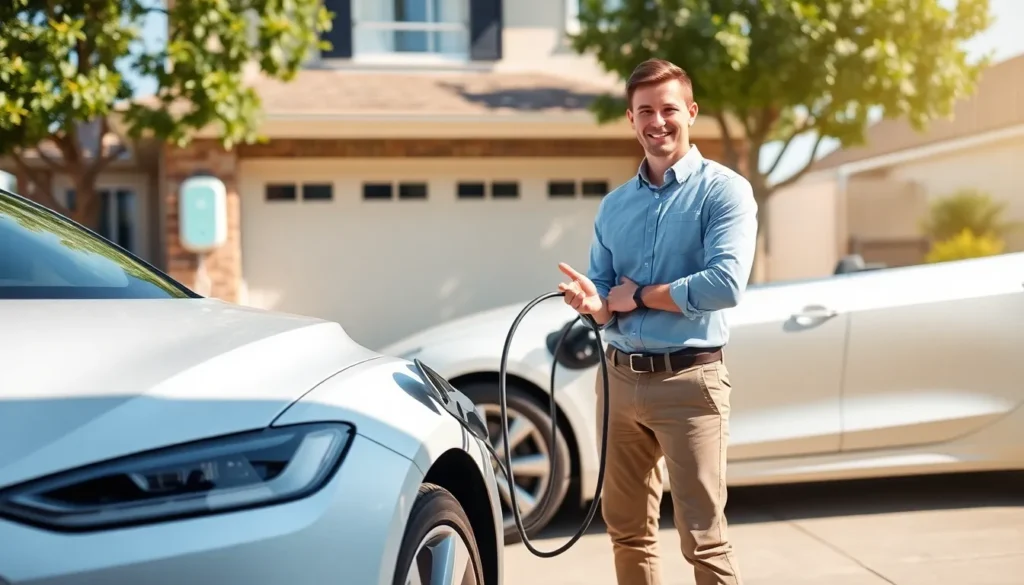
Electric vehicles for beginners can seem confusing at first. New technology, unfamiliar terms, and a different way of thinking about transportation often stop people from making the switch. But here’s the thing: electric vehicles aren’t as complicated as they appear.
This guide breaks down everything a first-time buyer needs to know. From how electric vehicles work to charging options and purchase considerations, the information here will help anyone feel confident about going electric. Whether someone is curious about cost savings, environmental impact, or simply wants to understand the basics, this starter guide covers it all.
Table of Contents
ToggleKey Takeaways
- Electric vehicles for beginners are simpler than they appear, with fewer moving parts meaning less maintenance and no oil changes.
- Three main types exist: Battery Electric Vehicles (BEVs), Plug-in Hybrids (PHEVs), and Hybrids (HEVs)—BEVs and PHEVs are the primary options for going fully or partially electric.
- Charging at home with a Level 2 charger covers most daily driving needs, adding 15–30 miles of range per hour overnight.
- Operating costs are significantly lower, with electricity costing $0.03–$0.05 per mile compared to $0.10–$0.15 for gasoline.
- Before buying, assess your daily driving range, home charging options, budget, and climate conditions to find the right fit.
- Federal and state tax incentives can reduce purchase prices by thousands, making electric vehicles more accessible for first-time buyers.
How Electric Vehicles Work
Electric vehicles operate differently than traditional gas-powered cars. Instead of an internal combustion engine, they use an electric motor powered by a large battery pack.
The process is straightforward. A driver plugs the vehicle into a charging station or home outlet. Electricity flows into the battery, storing energy for later use. When the driver presses the accelerator, the battery sends power to the electric motor. The motor then spins the wheels and moves the car forward.
Electric vehicles also use regenerative braking. When a driver slows down or brakes, the motor works in reverse. It captures kinetic energy and converts it back into electricity. This energy returns to the battery, extending the vehicle’s range.
One major difference from gas cars? Electric vehicles have far fewer moving parts. No oil changes, no transmission fluid, no spark plugs. This simplicity means less maintenance and fewer trips to the mechanic.
The battery pack sits low in the vehicle’s chassis. This placement creates a lower center of gravity, which improves handling and stability. Many drivers notice their electric vehicle feels more planted on the road compared to similar gas-powered models.
Types of Electric Vehicles
Not all electric vehicles are the same. Buyers will encounter three main types, each with different features and use cases.
Battery Electric Vehicles (BEVs) run entirely on electricity. They have no gas engine and produce zero direct emissions. Popular examples include the Tesla Model 3, Chevrolet Bolt, and Nissan Leaf. BEVs typically offer ranges between 150 and 350 miles on a single charge, though some newer models exceed 400 miles.
Plug-in Hybrid Electric Vehicles (PHEVs) combine a battery with a traditional gas engine. These vehicles can travel 20 to 50 miles on electric power alone. After the battery depletes, the gas engine takes over. PHEVs work well for drivers who want electric capability but aren’t ready to rely solely on charging infrastructure.
Hybrid Electric Vehicles (HEVs) also use both electric motors and gas engines. But, they can’t be plugged in. The battery charges only through regenerative braking and the gas engine. HEVs improve fuel efficiency but don’t offer pure electric driving.
For beginners exploring electric vehicles, BEVs and PHEVs represent the main options. The right choice depends on driving habits, access to charging, and comfort level with new technology.
Benefits of Driving Electric
Electric vehicles offer several advantages that attract new buyers.
Lower Operating Costs: Electricity costs less than gasoline in most regions. Charging an electric vehicle at home typically runs between $0.03 and $0.05 per mile. Gasoline vehicles average $0.10 to $0.15 per mile. Over time, these savings add up significantly.
Reduced Maintenance: Electric vehicles skip many traditional service appointments. No oil changes, transmission repairs, or exhaust system work. Brake pads also last longer thanks to regenerative braking. Owners spend less time and money at service centers.
Environmental Impact: Electric vehicles produce zero tailpipe emissions. Even when accounting for electricity generation, they typically create fewer greenhouse gases than gas-powered cars. As the electrical grid becomes cleaner, this advantage grows.
Performance: Electric motors deliver instant torque. This means quick acceleration from a standstill. Many electric vehicles surprise new drivers with their responsiveness and smooth power delivery.
Quiet Operation: Without an engine rumbling under the hood, electric vehicles run nearly silent. Many drivers find this peaceful driving experience to be an unexpected benefit.
Tax Incentives: Federal and state programs often offer credits or rebates for electric vehicle purchases. These incentives can reduce the purchase price by thousands of dollars, making electric vehicles more accessible for beginners.
Charging Basics and Infrastructure
Understanding charging is essential for electric vehicle beginners. Three levels of charging exist, each with different speeds and use cases.
Level 1 Charging uses a standard 120-volt household outlet. This method adds about 3 to 5 miles of range per hour. It’s slow but requires no special equipment. Level 1 works for overnight charging or plug-in hybrids with smaller batteries.
Level 2 Charging requires a 240-volt outlet, similar to what powers a clothes dryer. This setup adds 15 to 30 miles of range per hour. Most electric vehicle owners install a Level 2 charger at home. A full charge overnight becomes easy and convenient.
DC Fast Charging offers the quickest option. These public stations can add 100 to 200 miles of range in 30 minutes. Fast chargers work well for road trips or quick top-ups. But, frequent fast charging can affect battery longevity over time.
Public charging infrastructure continues to expand. Apps like PlugShare and ChargePoint help drivers locate nearby stations. Many workplaces, shopping centers, and hotels now offer charging. For electric vehicle beginners, home charging handles most daily needs while public stations cover longer trips.
Key Considerations Before Buying
Several factors deserve attention before purchasing an electric vehicle.
Range Requirements: How far does the driver travel daily? Most people drive fewer than 40 miles per day. Even entry-level electric vehicles handle this easily. But someone with a long commute or frequent road trips should prioritize higher-range models.
Home Charging Setup: Can the buyer install a Level 2 charger at home? Homeowners typically have an easier time with installation. Apartment dwellers should check with building management about charging options.
Budget: Electric vehicles range from $25,000 to over $100,000. Entry-level options like the Chevrolet Equinox EV and Nissan Leaf offer affordable starting points. Remember to factor in potential tax credits and long-term fuel savings when calculating true costs.
Used vs. New: The used electric vehicle market has grown substantially. Buying used can save money, but buyers should check battery health and remaining warranty coverage.
Climate Considerations: Cold weather reduces battery range, sometimes by 20% to 40%. Drivers in northern regions should account for this reduction when choosing a vehicle.
Insurance Costs: Electric vehicles sometimes carry higher insurance premiums due to repair costs. Getting quotes before purchasing helps avoid surprises.
Electric vehicles for beginners don’t need to feel overwhelming. Research, test drives, and honest assessment of personal needs lead to smart decisions.


