
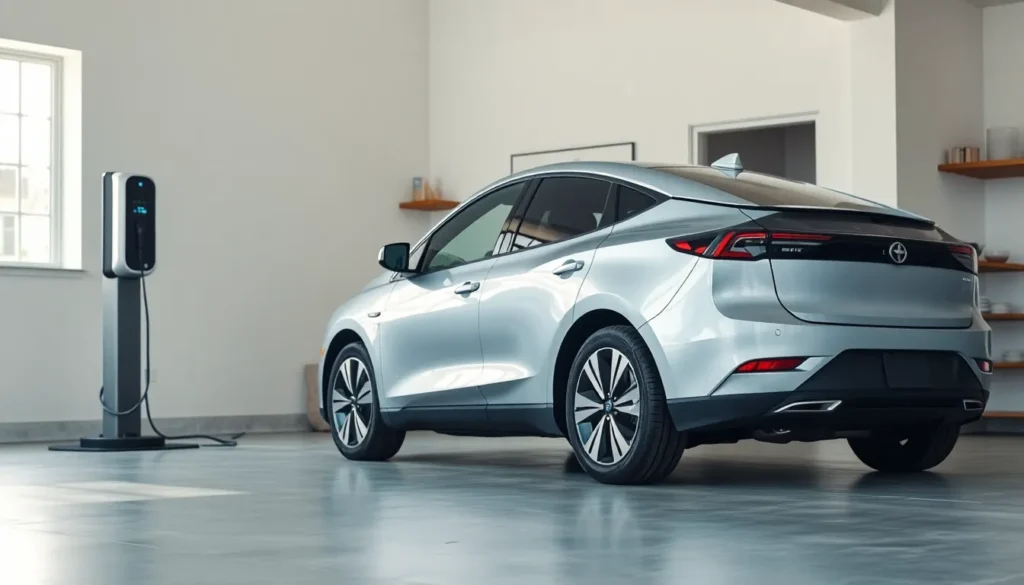
Electric vehicles are changing how people think about transportation. This electric vehicles guide covers the essential information buyers need before making the switch. Sales of electric vehicles hit record numbers in 2024, with over 17 million units sold globally. Whether someone is curious about how these cars work or wants to understand charging options, this guide breaks it all down. The shift to electric vehicles represents one of the biggest changes in automotive history. Here’s what every potential buyer should know.
Table of Contents
ToggleKey Takeaways
- Electric vehicles use battery-powered motors with fewer moving parts, resulting in lower maintenance costs and savings of about $4,600 over the vehicle’s lifetime.
- Buyers can choose from three types: fully electric BEVs, plug-in hybrids (PHEVs), or traditional hybrids (HEVs), each suited to different driving needs.
- Home Level 2 charging covers about 80% of most owners’ needs, adding 25–30 miles of range per hour for convenient overnight charging.
- Federal tax credits up to $7,500 and state incentives can significantly reduce the upfront cost of qualifying electric vehicles.
- This electric vehicles guide shows that EVs cost roughly 40% less to operate than gas cars when factoring in fuel and maintenance savings.
- The used EV market offers 3-year-old models at major discounts, with some qualifying for a $4,000 federal tax credit.
How Electric Vehicles Work
Electric vehicles operate differently than traditional gas-powered cars. Instead of an internal combustion engine, they use electric motors powered by rechargeable battery packs.
The battery stores electricity that flows to the motor when the driver presses the accelerator. This motor then turns the wheels. It’s a simpler system than combustion engines, fewer moving parts means less maintenance.
Most electric vehicles use lithium-ion batteries, similar to smartphones but much larger. These batteries can store enough energy to travel 200 to 400 miles on a single charge, depending on the model.
Regeneration braking adds another clever feature. When drivers slow down, the motor works in reverse. It captures kinetic energy and sends it back to the battery. This process extends driving range and reduces brake wear.
Electric vehicles also deliver instant torque. Gas engines need to rev up before reaching peak power. Electric motors provide full power immediately. That’s why many electric vehicles feel quick off the line, even budget-friendly models.
Types of Electric Vehicles Available Today
Not all electric vehicles are built the same. Buyers can choose from three main categories, each with different features.
Battery Electric Vehicles (BEVs)
BEVs run entirely on electricity. They have no gas engine and produce zero tailpipe emissions. Popular examples include the Tesla Model 3, Chevrolet Bolt, and Ford Mustang Mach-E. These vehicles require charging but offer the lowest operating costs.
Plug-in Hybrid Electric Vehicles (PHEVs)
PHEVs combine an electric motor with a gas engine. They can travel 20 to 50 miles on electricity alone before the gas engine kicks in. The Toyota RAV4 Prime and Jeep Wrangler 4xe fall into this category. PHEVs work well for buyers who want electric capability but worry about range.
Hybrid Electric Vehicles (HEVs)
HEVs use both electric motors and gas engines but cannot plug in to charge. The battery charges through regenerative braking and the gas engine. The Toyota Prius pioneered this technology. HEVs offer better fuel economy than traditional cars but don’t qualify for most electric vehicle incentives.
For buyers committed to going fully electric, BEVs offer the most benefits. Those still uncertain might start with a PHEV to test the electric experience.
Benefits of Owning an Electric Vehicle
Electric vehicles offer several advantages over gas-powered alternatives. Understanding these benefits helps buyers make informed decisions.
Lower Fuel Costs
Electricity costs less than gasoline per mile driven. The average American spends about $1,500 annually on gas. Electric vehicle owners typically spend $500 to $700 on electricity for the same distance. That’s roughly $800 in yearly savings.
Reduced Maintenance
Electric vehicles don’t need oil changes. They have no transmission fluid, spark plugs, or timing belts to replace. Brake pads last longer thanks to regenerative braking. Consumer Reports estimates electric vehicle owners save about $4,600 in maintenance costs over a vehicle’s lifetime.
Environmental Impact
Electric vehicles produce zero direct emissions. Even when accounting for power plant emissions, they generate less pollution than gas cars in most regions. As the electrical grid gets cleaner, electric vehicles become even greener.
Driving Experience
Quiet operation makes electric vehicles pleasant to drive. Instant torque provides responsive acceleration. Many owners report that driving an electric vehicle simply feels more modern.
Energy Independence
Owners can charge at home using solar panels or grid electricity. They’re less affected by gas price fluctuations. This independence appeals to many buyers concerned about fuel costs.
Charging Your Electric Vehicle
Charging infrastructure continues to expand across the country. Electric vehicle owners have multiple options for keeping their batteries full.
Level 1 Charging
Level 1 uses a standard 120-volt household outlet. It’s the slowest method, adding about 3 to 5 miles of range per hour. This option works for drivers with short commutes who can charge overnight.
Level 2 Charging
Level 2 requires a 240-volt outlet, similar to what clothes dryers use. It adds 25 to 30 miles of range per hour. Most electric vehicle owners install Level 2 chargers at home. Installation costs between $500 and $2,000, depending on existing electrical infrastructure.
DC Fast Charging
DC fast chargers can add 100 to 200 miles of range in 30 minutes. These stations are common along highways and in urban areas. Networks like Electrify America, ChargePoint, and Tesla Superchargers continue to grow.
Planning longer trips now involves mapping charging stops. Apps like PlugShare and A Better Route Planner help drivers find stations along their routes. Most electric vehicles also have built-in navigation that includes charging locations.
Home charging handles about 80% of most owners’ needs. Public charging fills in the gaps for road trips and busy days.
Costs and Incentives to Consider
Electric vehicles often cost more upfront than comparable gas cars. But, incentives and lower operating costs can close this gap.
Federal Tax Credits
The federal government offers tax credits up to $7,500 for qualifying electric vehicles. The Inflation Reduction Act set new rules in 2024. Vehicles must meet North American assembly requirements and battery sourcing rules. Not every electric vehicle qualifies, so buyers should check before purchasing.
State and Local Incentives
Many states offer additional rebates. California provides up to $7,500 through its Clean Vehicle Rebate Project. Colorado offers $5,000. Other states provide HOV lane access, reduced registration fees, or utility rebates.
Total Cost of Ownership
When calculating costs, buyers should consider fuel savings, maintenance savings, and incentives. A study by the U.S. Department of Energy found that electric vehicles cost about 40% less to operate than gas cars over their lifetime.
Insurance Considerations
Insurance for electric vehicles sometimes costs more due to higher repair costs. Shopping around and comparing quotes helps buyers find reasonable rates.
Used Electric Vehicles
The used electric vehicle market is growing. Buyers can find 3-year-old models at significant discounts. Used electric vehicles may also qualify for a federal tax credit of up to $4,000.


