
Electric vehicle ideas are transforming how people think about cars, trucks, and public transit. The shift from gasoline to battery power has sparked a wave of creative thinking across the automotive industry. Engineers, designers, and entrepreneurs are pushing boundaries to make EVs faster, cheaper, and more practical for everyday use.
This article explores the most promising electric vehicle ideas driving change in 2025 and beyond. From radical design concepts to breakthrough battery technology, these innovations aim to solve real problems. Drivers want longer range, faster charging, and affordable prices. Manufacturers want efficient production and sustainable materials. The ideas covered here address both sides of that equation.
Table of Contents
ToggleKey Takeaways
- Skateboard platforms and modular designs are revolutionizing electric vehicle ideas by improving handling, maximizing interior space, and extending vehicle lifespan.
- Solid-state and sodium-ion batteries represent breakthrough electric vehicle ideas that promise doubled range, faster charging, and more affordable pricing by 2027.
- Bidirectional charging transforms EVs into mobile power stations capable of supplying electricity to homes during outages for up to three days.
- Ultra-fast charging networks now add 200 miles of range in just 15 minutes, effectively eliminating range anxiety for long-distance travel.
- Sustainable manufacturing practices—including recycled materials, closed-loop battery recycling, and renewable factory energy—complete the environmental promise of electric vehicles.
Innovative EV Design Concepts
Traditional car design rules don’t apply to electric vehicles. Without a combustion engine, designers have more freedom to rethink interior space, weight distribution, and aerodynamics.
Skateboard Platforms
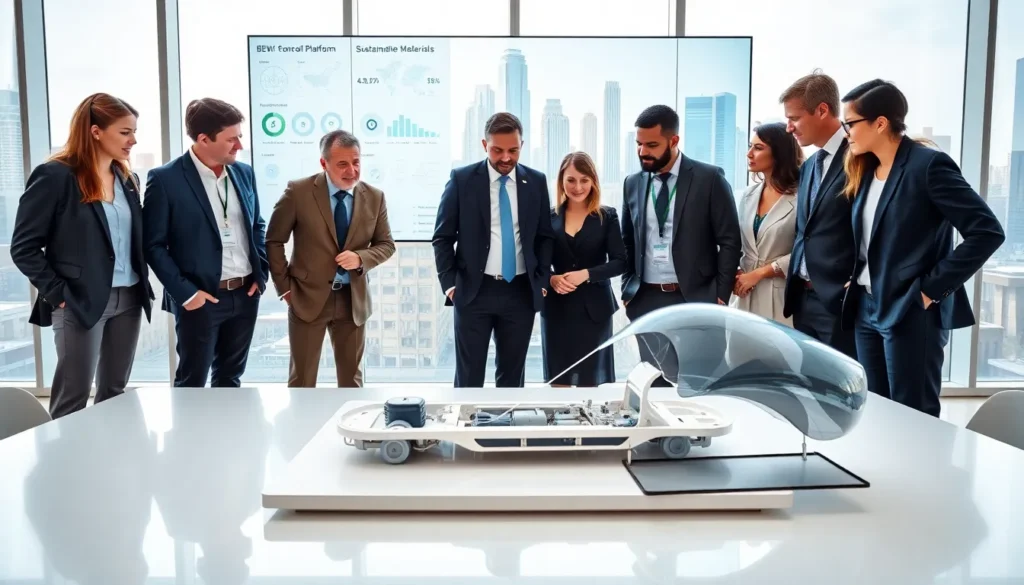
One of the most influential electric vehicle ideas is the skateboard platform. This design places the battery pack flat along the vehicle’s floor. Motors sit at the axles. The result? A low center of gravity that improves handling and frees up interior space.
Companies like Rivian and Canoo have built their entire product lines around this concept. The skateboard approach also makes manufacturing more flexible. A single platform can support sedans, SUVs, and trucks with minimal changes.
Modular Vehicle Architecture
Some manufacturers are experimenting with modular electric vehicle ideas. These designs allow owners to swap body panels, reconfigure interiors, or even change the vehicle’s purpose. A delivery van could become a camper for weekend trips.
This flexibility extends vehicle lifespan and reduces waste. Instead of buying a new car, owners upgrade specific components.
Aerodynamic Optimization
Every 10% improvement in aerodynamics can add 5-7% more range. That’s why many electric vehicle ideas focus on smooth, teardrop-inspired shapes. Flush door handles, covered wheel wells, and active grille shutters reduce drag.
Tesla’s Cybertruck took a different approach with its angular design, proving that unconventional looks can still achieve efficiency goals. The debate between form and function continues to inspire creative solutions.
Advances in Battery Technology
Battery technology determines an EV’s range, charging speed, and price. The most exciting electric vehicle ideas center on making batteries smaller, lighter, and more affordable.
Solid-State Batteries
Solid-state batteries replace liquid electrolytes with solid materials. This change offers several advantages:
- Higher energy density (more range per pound)
- Faster charging times
- Reduced fire risk
- Longer lifespan
Toyota, BMW, and several startups plan to launch solid-state batteries by 2027. These electric vehicle ideas could double current range capabilities while cutting charging times in half.
Sodium-Ion Technology
Lithium remains expensive and comes with supply chain concerns. Sodium-ion batteries offer a cheaper alternative using abundant materials. CATL and BYD have already begun mass production.
While sodium-ion batteries have lower energy density than lithium, they work well for city cars and budget vehicles. This technology could make electric vehicle ideas accessible to more buyers worldwide.
Battery-to-Chassis Integration
Some manufacturers are building batteries directly into the vehicle’s structure. Tesla’s structural battery pack serves as both energy storage and floor panel. This approach reduces weight, improves rigidity, and lowers production costs.
These electric vehicle ideas challenge traditional thinking about car construction. The battery becomes the car, not just a component inside it.
Smart Charging Solutions
Charging infrastructure remains a barrier to EV adoption. New electric vehicle ideas aim to make charging faster, easier, and more convenient.
Bidirectional Charging
Bidirectional charging lets EVs send power back to homes or the grid. During peak demand, vehicles can supply electricity. During off-peak hours, they recharge at lower rates.
This electric vehicle idea turns cars into mobile power stations. Ford’s F-150 Lightning can power a home for up to three days during an outage. As more vehicles gain this capability, the grid becomes more stable and resilient.
Wireless Charging Pads
Plug-in charging works, but wireless options add convenience. Drivers simply park over an inductive pad, and charging begins automatically. Some cities are testing wireless charging lanes that power vehicles while they drive.
These electric vehicle ideas eliminate the need for cables and connectors. For fleet vehicles and taxis, wireless charging means less downtime and simpler operations.
Ultra-Fast Charging Networks
New charging stations deliver 350 kW or more, adding 200 miles of range in 15 minutes. Companies like Electrify America and Tesla continue expanding their networks.
Smart routing software helps drivers find available chargers and plan stops efficiently. These electric vehicle ideas address range anxiety by making long-distance travel practical.
Sustainable Manufacturing Approaches
Building EVs creates environmental impact before a single mile is driven. Forward-thinking electric vehicle ideas extend sustainability to the factory floor.
Recycled Materials
Manufacturers are incorporating recycled aluminum, plastics, and even ocean waste into vehicle production. BMW uses recycled fishing nets for interior trim. Polestar has committed to producing a fully climate-neutral car by 2030.
These electric vehicle ideas reduce mining demand and keep materials out of landfills. Consumers increasingly factor sustainability into purchase decisions.
Closed-Loop Battery Recycling
What happens to EV batteries after they wear out? Closed-loop recycling recovers valuable materials and returns them to production. Redwood Materials and Li-Cycle process thousands of battery packs monthly.
This approach addresses concerns about lithium and cobalt scarcity. Electric vehicle ideas that account for end-of-life make the entire lifecycle cleaner.
Renewable Energy in Factories
Tesla’s Gigafactories run on solar and wind power. Volkswagen’s Zwickau plant operates entirely on renewable electricity. These choices reduce the carbon footprint of each vehicle produced.
Electric vehicle ideas must consider the full picture. A zero-emission car built with coal-fired electricity misses the point. Sustainable manufacturing completes the environmental promise.


