
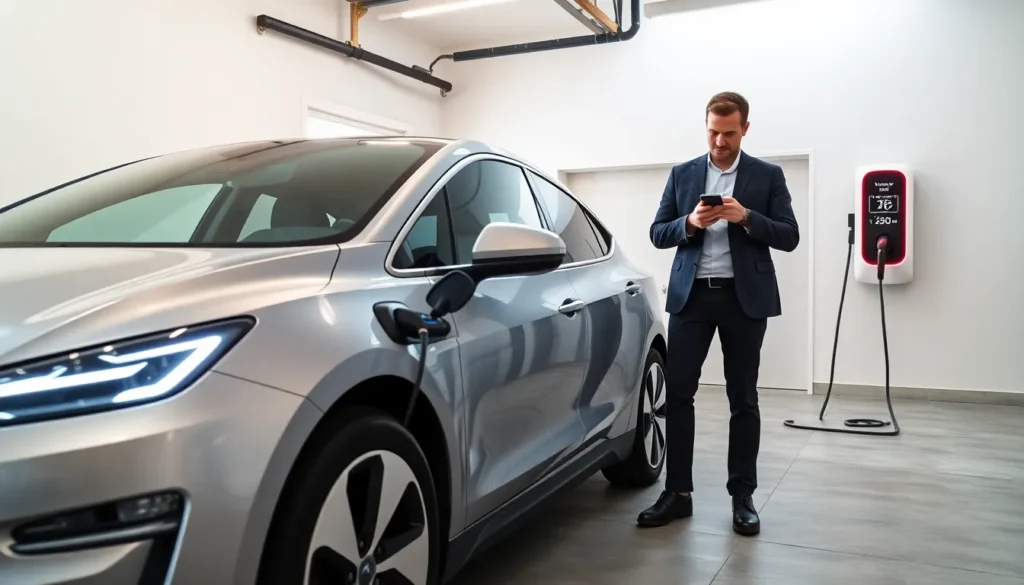
Electric vehicles techniques matter more than most new owners realize. The shift from gas to electric power changes everything, from how drivers charge their cars to how they maintain them. Understanding these techniques helps EV owners save money, extend battery life, and get more miles out of every charge.
This guide covers the essential electric vehicles techniques every owner should know. Whether someone just bought their first EV or they’re considering the switch, these methods will help them get the most from their investment.
Table of Contents
ToggleKey Takeaways
- Follow the 20-80% charging rule to reduce battery stress and extend your EV’s battery life by years.
- Use Level 2 home charging for daily needs and limit DC fast charging to road trips or emergencies.
- Master one-pedal driving with regenerative braking to recover energy and improve range by 10-15%.
- Precondition your cabin while plugged in to save battery power, especially in extreme weather conditions.
- Check tire pressure monthly since EVs are heavier and proper inflation directly impacts efficiency and range.
- Keep your EV’s software updated to benefit from manufacturer improvements to battery management and performance.
Understanding How Electric Vehicles Work
Electric vehicles operate differently than traditional gas-powered cars. Instead of an internal combustion engine, EVs use electric motors powered by large battery packs. These batteries store electricity and release it to drive the wheels.
The basic components include:
- Battery pack: Stores energy (usually lithium-ion cells)
- Electric motor: Converts electrical energy into motion
- Inverter: Changes DC power from the battery to AC power for the motor
- Onboard charger: Manages power flow during charging
- Regenerative braking system: Captures energy when slowing down
When a driver presses the accelerator, the battery sends power through the inverter to the motor. The motor spins and moves the wheels. It’s simpler than a gas engine, fewer moving parts mean less can go wrong.
Regenerated braking deserves special attention. When an EV slows down, the motor works in reverse. It acts as a generator and sends energy back to the battery. This electric vehicles technique recovers up to 70% of the kinetic energy that would otherwise be lost as heat in traditional brakes.
Battery technology determines most of an EV’s performance. Modern lithium-ion batteries can last 10-20 years with proper care. But, they degrade over time. Heat, frequent fast charging, and deep discharges all speed up this process. Knowing how these systems work helps owners apply the right techniques to protect their investment.
Key Charging Techniques for Optimal Battery Health
Charging habits directly affect battery longevity. Smart electric vehicles techniques can add years to a battery’s useful life.
Stick to the 20-80 Rule
Most experts recommend keeping the battery between 20% and 80% charge for daily use. Lithium-ion batteries experience the most stress at very high and very low charge levels. Charging to 100% or draining to near-empty regularly accelerates degradation.
Save full charges for long trips when the extra range is needed. For daily commuting, the 20-80 range works best.
Use Level 2 Charging at Home
Three charging levels exist:
- Level 1: Standard 120V outlet (slow, 3-5 miles of range per hour)
- Level 2: 240V outlet (moderate, 25-30 miles per hour)
- Level 3/DC Fast Charging: Commercial stations (fast, 100+ miles in 30 minutes)
Level 2 charging at home offers the best balance. It’s fast enough for overnight charging but gentle on the battery. Installing a home Level 2 charger costs $500-$2,000 but pays off in convenience and battery health.
Limit DC Fast Charging
DC fast charging pushes lots of electricity into the battery quickly. This generates heat, and heat damages batteries. Studies show that frequent fast charging can reduce battery capacity faster than Level 2 charging.
Use fast chargers for road trips or emergencies. For regular use, slower charging is one of the most effective electric vehicles techniques for battery preservation.
Charge During Cooler Hours
Batteries charge most efficiently at moderate temperatures. In hot climates, charging early in the morning or late at night reduces heat stress. Many EVs allow owners to schedule charging times through their apps.
Driving Techniques to Maximize Range
How someone drives their EV affects range significantly. These electric vehicles techniques help squeeze more miles from every charge.
Use Regenerative Braking Effectively
Most EVs offer adjustable regenerative braking. Higher settings slow the car more aggressively when the driver lifts off the accelerator. This recovers more energy but requires adjustment in driving style.
“One-pedal driving” uses maximum regeneration. The car slows dramatically without touching the brake pedal. Once drivers get used to it, they rarely need the friction brakes. This technique can improve range by 10-15%.
Accelerate Smoothly
Electric motors deliver instant torque. That jackrabbit start feels fun, but it drains the battery fast. Gentle acceleration uses energy more efficiently.
Think of it like this: pushing the accelerator halfway uses far less energy than flooring it, even to reach the same speed. Smooth, gradual acceleration is one of the simplest electric vehicles techniques for extending range.
Precondition the Cabin
Heating and cooling the cabin while still plugged in saves battery for driving. Most EVs have apps that let owners start climate control before unplugging. The car uses grid power instead of battery power to reach a comfortable temperature.
This matters most in extreme weather. Heating an EV cabin in winter can reduce range by 20-40%. Preconditioning cuts this loss significantly.
Maintain Steady Speeds
Highway driving at constant speeds beats stop-and-go traffic for efficiency. But, very high speeds hurt range. Air resistance increases exponentially with speed. Driving 65 mph instead of 75 mph can improve range by 15% or more.
Use cruise control on highways. Consistent speed eliminates the small accelerations that waste energy.
Maintenance Techniques Unique to Electric Vehicles
EVs need less maintenance than gas cars, but they still require attention. These electric vehicles techniques keep everything running smoothly.
Battery Care Beyond Charging
Besides proper charging habits, batteries benefit from:
- Avoiding extreme temperatures: Park in shade during summer and garages during winter when possible
- Not leaving the car at full charge: If fully charged, drive soon rather than letting it sit
- Keeping software updated: Manufacturers push updates that improve battery management
Some EVs have thermal management systems that heat or cool the battery. These use energy but protect the battery from damage.
Tire Maintenance Matters More
EVs are heavy. Batteries add significant weight compared to gas tanks. This extra weight wears tires faster. EV-specific tires exist and last longer under the added load.
Proper inflation also affects range. Under-inflated tires create more rolling resistance. Check tire pressure monthly. Some owners find that keeping tires at the higher end of the recommended range improves efficiency slightly.
Brake System Checks
Regenerated braking means friction brakes see less use. That sounds good, but it creates a problem: brake components can corrode from sitting unused. Occasional use of the friction brakes prevents this.
Brake fluid still needs periodic replacement. Moisture accumulates over time and reduces braking performance. Check the manufacturer’s recommendations, typically every 2-3 years.
Coolant System Service
EVs use coolant to manage battery and motor temperatures. This fluid degrades over time. Most manufacturers recommend coolant replacement every 4-5 years or 50,000-100,000 miles.
Software Updates
Unlike gas cars, EVs improve after purchase through software updates. These updates can enhance range, add features, and fix bugs. Keep the car connected to WiFi when parked at home to receive updates automatically.


