

Rhythmic gymnastics is captivating audiences worldwide with its blend of grace, artistry, and athleticism. As the sport continues to grow in popularity, it garners attention not only for its aesthetic appeal but also for the intense training and dedication required to excel. In this text, we investigate into the latest trends, major competitions, and the future of rhythmic gymnastics as it heads into 2025.
Overview of Rhythmic Gymnastics
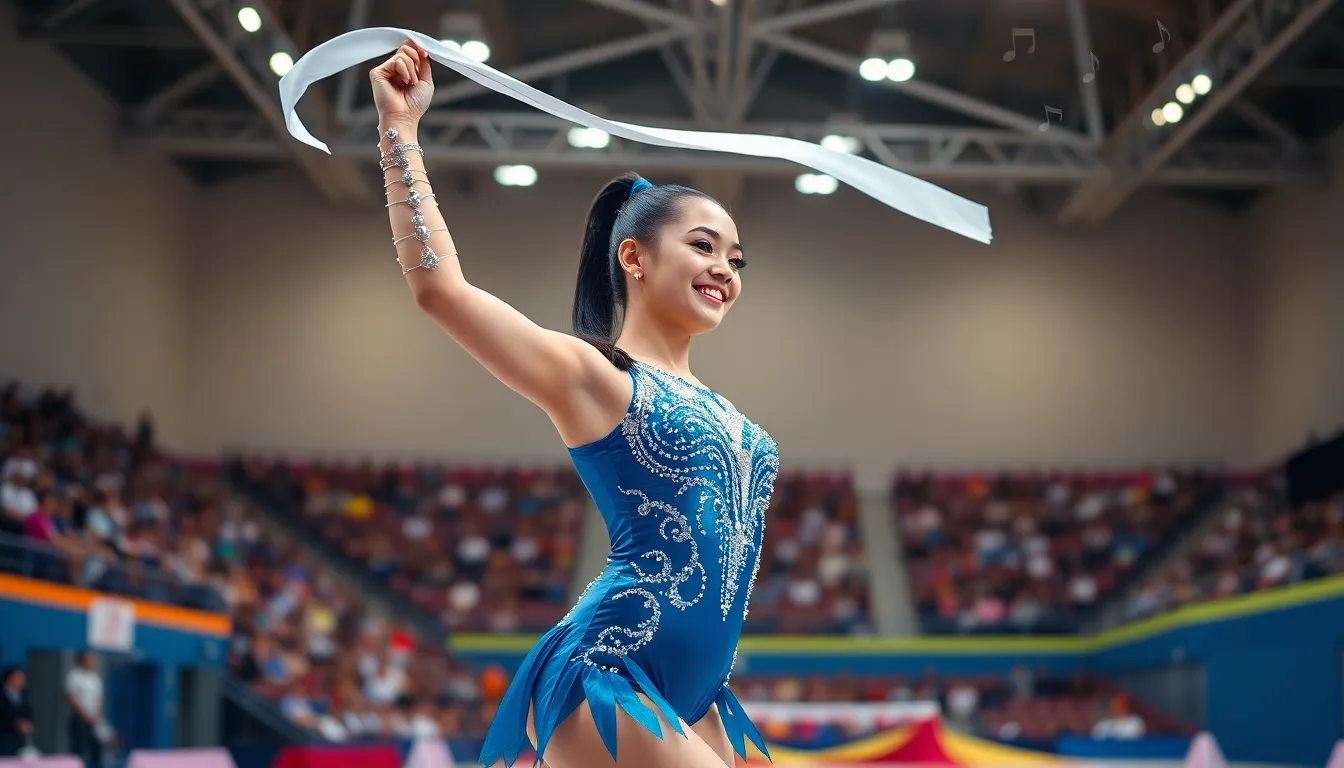
Rhythmic gymnastics combines elements of ballet, dance, and gymnastics into a cohesive and stunning performance, typically performed to music. This unique sport emphasizes flexibility, coordination, and creativity, as athletes manipulate apparatuses such as ribbons, hoops, balls, clubs, and ropes.
History and Evolution of the Sport
Rhythmic gymnastics originated in the late 19th century, initially as a form of physical and artistic education for women. It gained international recognition when it was officially included as a competitive discipline in the Olympics in 1984. Since then, rhythmic gymnastics has undergone significant changes, evolving from its roots to develop a more structured competitive format, incorporating advanced choreography and complex routines that showcase not just athletic prowess but also artistic interpretation.
Understanding the Disciplines of Rhythmic Gymnastics
Rhythmic gymnastics comprises several disciplines, each with its own focus and style. Competitors alternate between individual and group routines, which are evaluated based on difficulty, execution, choreography, and overall performance.
For individual performances, gymnasts showcase their skills using one specific apparatus, while group routines involve teams performing synchronized moves with multiple apparatuses. The individual apparatuses play distinct roles:
- Ribbons: Known for their flowing movements, ribbons demand precision and control.
- Hoops: Gymnasts demonstrate dynamic flexibility and strength through intricate patterns.
- Balls: This apparatus requires coordination and accuracy, with gymnasts performing both dance-like movements and technical elements.
- Clubs: Known for showcasing rhythm and agility, clubs allow gymnasts to demonstrate their coordination skills.
- Ropes: Generally used in the youngest categories, ropes highlight jump and swing skills.
Major Competitions and Championships
Major competitions showcase the heights of rhythmic gymnastics, drawing talent from around the world. Key events include the World Championships, Continental Championships, and of course, the Olympics. As rhythmic gymnastics garners increased visibility, these competitions attract large audiences, benefitting from the digital age where live streaming and social media amplify their reach.
Key Athletes to Watch in 2025
As the sport evolves, several athletes are emerging as frontrunners, poised to make waves in 2025. Top competitors include the likes of
- Arina Averina: The Russian gymnast has been a formidable force, claiming multiple titles and exhibiting an impressive range of skills.
- Dina Averina: Another outstanding talent from Russia, she has dominated various championships with her technical prowess and artistic choreography.
- Linoy Ashram: Representing Israel, Ashram made headlines at the Tokyo Olympics. Her unique style and innovation have garnered attention, making her a significant contender in future competitions.
Recent Trends and Innovations in Rhythmic Gymnastics
With the rise of technology and modern techniques, rhythmic gymnastics has entered a new era. Incorporating digital tools into training regimens is becoming increasingly common, offering athletes enhanced ways to refine their skills. Coaches and gymnasts are now utilizing advanced video analysis to break down performances and identify areas for improvement.
Impact of Technology on Training and Performance
The integration of technology extends beyond training sessions. Virtual reality (VR) and augmented reality (AR) are starting to play a role in simulations for routine practices, allowing athletes to visualize their performances in a competition-like environment. This tech-driven approach not only fine-tunes physical skills but also boosts mental preparedness, cultivating resilience in high-pressure scenarios.
Conclusion
Rhythmic gymnastics is undoubtedly a thriving and evolving discipline, drawing interest and admiration from around the globe. With key athletes leading the charge, innovative training methods, and ongoing international competitions, the future of the sport looks bright. As it moves towards the 2025 season, the excitement surrounding rhythmic gymnastics promises to captivate both new fans and seasoned followers alike, making it a sport to watch in the coming years.