
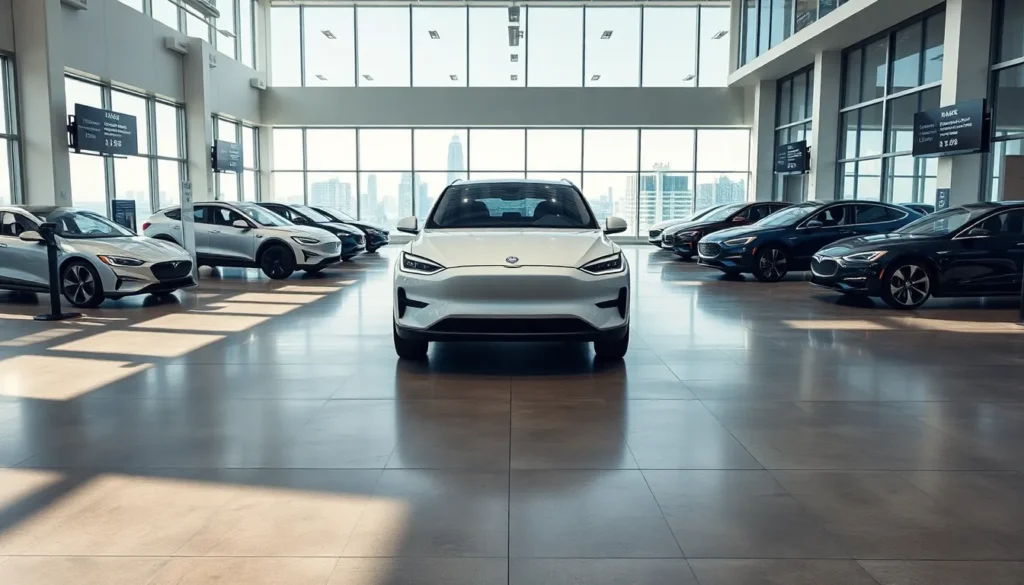
The top electric vehicles in 2025 offer impressive range, cutting-edge technology, and real value for buyers. Whether someone wants a budget-friendly commuter or a high-performance luxury sedan, the EV market now delivers serious options. Sales continue to climb as charging infrastructure expands and battery costs drop. This guide breaks down the best electric vehicles across categories, from affordable daily drivers to premium SUVs and trucks. Readers will find practical recommendations to match their budget, lifestyle, and driving needs.
Table of Contents
ToggleKey Takeaways
- Top electric vehicles in 2025 like the Tesla Model 3, Hyundai Ioniq 6, and BMW i4 deliver excellent range, technology, and value across price points.
- Budget-friendly EVs such as the Chevrolet Equinox EV and Nissan Leaf now start under $35,000, making electric ownership more accessible than ever.
- Luxury electric vehicles like the Lucid Air offer up to 516 miles of range, proving EVs can match or exceed traditional premium brands.
- Electric SUVs and trucks including the Ford F-150 Lightning and Tesla Model Y combine utility with impressive range for families and work needs.
- Federal tax credits up to $7,500 plus state rebates can significantly reduce the cost of purchasing a new electric vehicle.
- Before choosing an EV, evaluate your daily driving distance, charging options, budget, and cargo needs to find the best match for your lifestyle.
Best Overall Electric Vehicles
The best overall electric vehicles balance performance, range, and price effectively. These models stand out for their all-around excellence.
Tesla Model 3 remains a top electric vehicle choice for 2025. It delivers up to 341 miles of range, rapid acceleration, and access to Tesla’s Supercharger network. The interior is minimalist but packed with technology. Starting around $40,000, it offers strong value.
Hyundai Ioniq 6 earns high marks for its aerodynamic design and 361-mile maximum range. Its 800-volt architecture enables fast charging, 10% to 80% in about 18 minutes. The cabin feels spacious and modern. Prices start near $45,000.
BMW i4 appeals to drivers who want sporty handling with electric efficiency. The eDrive40 variant offers 301 miles of range, while the M50 version delivers 536 horsepower. BMW’s familiar interior quality comes standard. Expect to pay from $52,000.
These top electric vehicles suit buyers who want reliable daily transportation without compromise. They represent the best the market offers at various price points.
Most Affordable Electric Vehicles
Budget-conscious buyers have more options than ever among affordable electric vehicles. Several models now cost under $35,000 before federal tax credits.
Chevrolet Equinox EV starts around $34,995 and provides up to 319 miles of range. GM built this compact SUV on its Ultium platform, which supports DC fast charging. The interior includes a large infotainment screen and comfortable seating.
Nissan Leaf continues as a reliable entry point for EV ownership. The base model starts near $28,000 and offers 149 miles of range. The Leaf Plus extends that to 212 miles. It’s proven, practical, and affordable.
Hyundai Kona Electric delivers 261 miles of range starting at roughly $33,500. Its compact size makes city driving easy, while the range handles longer trips. Standard features include a 12.3-inch touchscreen and wireless Apple CarPlay.
These affordable electric vehicles make EV ownership accessible to more people. Federal and state incentives can reduce costs further, sometimes by $7,500 or more. For first-time EV buyers, these models offer excellent value without sacrificing quality.
Best Luxury Electric Vehicles
Luxury electric vehicles combine premium materials, advanced technology, and exceptional performance. These models represent the high end of the EV market.
Mercedes-Benz EQS sets the standard for electric luxury sedans. Its 56-inch Hyperscreen spans the dashboard, and the interior uses sustainable materials throughout. Range reaches 350 miles, and the ride quality is remarkably smooth. Pricing starts around $105,000.
Porsche Taycan delivers sports car performance in electric form. The Turbo S variant accelerates from 0-60 mph in 2.6 seconds. Handling matches Porsche’s gas-powered models. Range tops out at 318 miles depending on configuration. Prices begin near $90,000.
Lucid Air holds the efficiency crown among luxury EVs. The Grand Touring version achieves 516 miles of range, the longest of any production electric vehicle. Its DreamDrive system offers advanced driver assistance features. Starting prices hover around $77,000.
Rivian R1S brings luxury to the SUV segment with adventure-ready capability. It offers up to 321 miles of range and impressive off-road features. The interior feels premium yet durable. Expect prices from $75,000.
These luxury electric vehicles prove that going electric doesn’t mean sacrificing comfort or status. They compete directly with traditional luxury brands and often exceed them.
Best Electric SUVs and Trucks
Electric SUVs and trucks have transformed what EVs can do. These vehicles offer utility, capability, and impressive range.
Ford F-150 Lightning brings electric power to America’s best-selling truck. It offers up to 320 miles of range and 775 pound-feet of torque. The frunk (front trunk) adds 400 liters of storage. Pro-Power Onboard provides up to 9.6 kW of exportable electricity. Prices start around $55,000.
Tesla Model Y dominates the electric SUV segment. It provides up to 330 miles of range and seats up to seven with the optional third row. Cargo space is generous at 76 cubic feet with seats folded. Starting price sits near $44,000, making it one of the most popular top electric vehicles sold today.
Kia EV9 offers three-row seating in a striking design. Range reaches 304 miles, and the interior prioritizes family comfort. Standard features include dual 12.3-inch screens and a digital key. Pricing begins around $54,000.
Chevrolet Silverado EV targets work-truck buyers with up to 400 miles of range. Its eTrunk offers additional storage, and the MultiPlex midgate expands the bed. Towing capacity reaches 10,000 pounds. Prices start near $52,000.
These electric SUVs and trucks prove that EVs can handle serious work and family duties. They’ve eliminated the compromise that early electric vehicles required.
How to Choose the Right Electric Vehicle
Selecting the right electric vehicle depends on several practical factors. Buyers should evaluate their specific needs before committing.
Assess daily driving distance. Most people drive fewer than 40 miles per day. Nearly any modern EV handles this easily. But frequent road-trippers should prioritize range above 300 miles and access to fast-charging networks.
Consider charging options. Home charging with a Level 2 charger works best for most owners. Those in apartments or without home charging should check nearby public charging availability. Tesla’s Supercharger network now accepts many non-Tesla vehicles.
Set a realistic budget. Factor in the purchase price, potential tax credits, and estimated fuel savings. Electric vehicles cost less to fuel and maintain than gas vehicles. Over five years, savings can reach $5,000 or more.
Evaluate cargo and passenger needs. Families need SUVs or larger sedans. Single commuters might prefer compact models. Test different body styles to find the best fit.
Research available incentives. Federal tax credits up to $7,500 apply to many new electric vehicles. State rebates, utility discounts, and HOV lane access add further value. These incentives significantly reduce ownership costs.
Test drive multiple options. Each electric vehicle feels different. Acceleration, ride comfort, and interior layout vary widely. Spending time behind the wheel reveals preferences that specifications alone cannot.


