
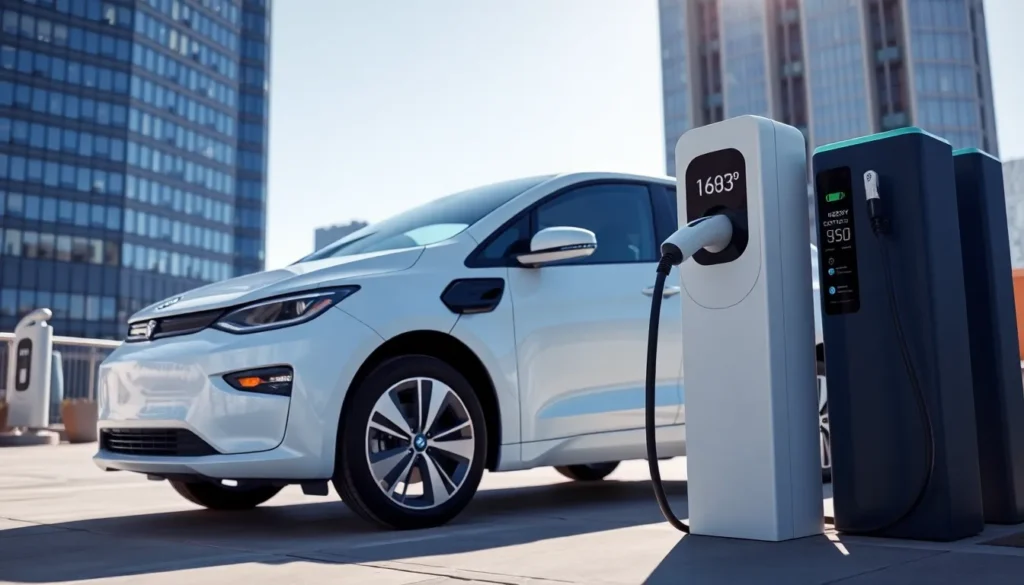
Electric vehicles have transformed how people think about transportation. An electric vehicle, or EV, uses one or more electric motors instead of a traditional internal combustion engine. These vehicles draw power from rechargeable battery packs and produce zero direct emissions.
Sales of electric vehicles reached record highs in 2024, with millions of drivers making the switch worldwide. This growth reflects improvements in battery technology, expanding charging infrastructure, and increasing environmental awareness. Whether someone is considering their first EV purchase or simply curious about the technology, understanding electric vehicles has become essential knowledge.
Table of Contents
ToggleKey Takeaways
- An electric vehicle (EV) uses electric motors powered by rechargeable battery packs, producing zero direct emissions while driving.
- Electric vehicles convert 85-90% of energy into motion, compared to gasoline engines that waste about 70% as heat.
- Most modern EVs offer 200-400 miles of range per charge, with DC fast chargers adding 100-200 miles in just 30 minutes.
- EV owners save significantly on operating costs—around $500 annually for charging versus $1,500+ for gasoline—plus reduced maintenance expenses.
- Federal tax credits up to $7,500, plus state incentives, can help offset the higher upfront cost of electric vehicles.
- Challenges include range limitations in cold weather, longer refueling times, and varying access to charging infrastructure.
How Electric Vehicles Work
Electric vehicles operate on a straightforward principle: electricity powers an electric motor, which turns the wheels. This differs fundamentally from gasoline cars, where fuel combustion creates the energy for movement.
The battery pack serves as the heart of any electric vehicle. Most modern EVs use lithium-ion batteries, similar to those in smartphones but much larger. These batteries store electrical energy and release it to the motor when needed. A typical electric vehicle battery pack weighs between 1,000 and 2,000 pounds and can store enough energy for 200 to 400 miles of driving.
When a driver presses the accelerator, the vehicle’s controller regulates the power flow from the battery to the motor. Electric motors convert this electrical energy into mechanical energy with remarkable efficiency, around 85 to 90 percent. Compare that to gasoline engines, which waste about 70 percent of their fuel’s energy as heat.
Electric vehicles also use regenerative braking. When a driver slows down or brakes, the motor works in reverse. It acts as a generator, converting the car’s momentum back into electricity. This recovered energy flows back into the battery, extending the vehicle’s range.
Charging an electric vehicle works much like charging a phone. Drivers plug the car into a power source, and electricity flows into the battery. Level 1 charging uses a standard household outlet and adds about 3 to 5 miles of range per hour. Level 2 chargers, common in homes and public locations, add 25 to 30 miles per hour. DC fast chargers can add 100 to 200 miles in just 30 minutes.
Types of Electric Vehicles
Not all electric vehicles are the same. The market offers several types, each with distinct characteristics and use cases.
Battery Electric Vehicles (BEVs)
Battery electric vehicles run entirely on electricity. They have no gasoline engine, fuel tank, or exhaust pipe. Popular examples include the Tesla Model 3, Chevrolet Bolt, and Ford Mustang Mach-E. BEVs offer the purest electric driving experience and produce zero tailpipe emissions. Most modern battery electric vehicles provide 200 to 300 miles of range on a single charge.
Plug-in Hybrid Electric Vehicles (PHEVs)
Plug-in hybrids combine an electric motor with a traditional gasoline engine. Drivers can charge the battery externally and drive 20 to 50 miles on electricity alone. After the battery depletes, the gasoline engine takes over. The Toyota RAV4 Prime and BMW X5 xDrive45e fall into this category. PHEVs work well for drivers who want electric capability but worry about longer trips.
Hybrid Electric Vehicles (HEVs)
Standard hybrids use both an electric motor and gasoline engine but cannot plug in to charge. The battery charges through regenerative braking and the gasoline engine. The Toyota Prius popularized this technology. While hybrids improve fuel efficiency, they still rely primarily on gasoline and don’t qualify as true electric vehicles in many classifications.
Benefits of Electric Vehicles
Electric vehicles offer compelling advantages over traditional cars. These benefits span financial, environmental, and practical categories.
Lower Operating Costs
Electricity costs less than gasoline per mile driven. The average electric vehicle driver spends about $500 per year on charging, compared to $1,500 or more for gasoline. Electric vehicles also require less maintenance. They have fewer moving parts, no oil changes, spark plugs, or timing belts. Brake pads last longer too, thanks to regenerative braking.
Environmental Impact
Electric vehicles produce zero direct emissions while driving. Even when accounting for power plant emissions from electricity generation, EVs typically produce fewer greenhouse gases than gasoline cars. As the electrical grid shifts toward renewable energy, the environmental advantage of electric vehicles grows stronger.
Performance Advantages
Electric motors deliver instant torque, meaning acceleration feels immediate and smooth. Many electric vehicles outperform comparable gasoline cars in 0-to-60 times. The low center of gravity from heavy battery packs also improves handling.
Quiet Operation
Without an engine constantly running, electric vehicles operate nearly silently. This creates a more relaxing driving experience and reduces noise pollution in communities. Some EVs even add artificial sounds at low speeds to alert pedestrians.
Government Incentives
Many governments offer tax credits, rebates, and other incentives for electric vehicle purchases. In the United States, federal tax credits can reach $7,500 for qualifying EVs. State and local incentives often add more savings.
Challenges and Considerations
Electric vehicles aren’t perfect for everyone. Potential buyers should understand the current limitations before purchasing.
Range Anxiety
Even though improvements, range remains a concern for some drivers. While most electric vehicles can handle daily commutes easily, long road trips require planning. Charging station availability varies by region, and recharging takes longer than filling a gas tank. But, charging networks are expanding rapidly, and many EV owners find they adapt quickly to the charging routine.
Higher Purchase Price
Electric vehicles typically cost more upfront than equivalent gasoline models. A midsize electric sedan might cost $5,000 to $15,000 more than its gas-powered counterpart. Government incentives and lower operating costs can offset this difference over time, but the initial investment remains a barrier for some buyers.
Charging Infrastructure
Home charging works great for drivers with garages or dedicated parking spots. Apartment dwellers and those without home charging access face more challenges. Public charging availability varies significantly by location. Urban areas generally have more options than rural regions.
Battery Degradation
EV batteries lose capacity over time, much like smartphone batteries. Most manufacturers warranty batteries for 8 years or 100,000 miles. Studies show modern EV batteries retain about 90 percent of their capacity after 200,000 miles, but degradation rates vary by model and climate.
Cold Weather Impact
Electric vehicle range drops in cold weather, sometimes by 20 to 40 percent. The battery works less efficiently, and cabin heating draws additional power. Drivers in cold climates should factor this reduction into their purchase decisions.


